
Last Updated: November 4, 2026
Quick Summary
Most ceramic coatings last two to five years in real-world use, not the decade some marketing suggests. Professional-grade coatings applied over corrected paint deliver that range, while store-bought DIY kits often fade within months. Preparation, product grade, and maintenance habits decide where your coating lands.
- Manufacturer claims of lifetime or 10-year protection describe ideal conditions, not daily driving.
- A coating bonds only to clean, corrected paint, so skipping paint correction causes early failure.
- Wash every two to four weeks with a pH-neutral shampoo and avoid automatic brush washes.
- Chemical decontamination every six to twelve months revives a coating that looks tired.
- Reapply when water stops beading, gloss fades, or contamination clings after washing.
Table of Contents
- How Long Do Ceramic Coatings Last on Cars?
- What Factors Affect Ceramic Coating Longevity
- How Long Does Ceramic Coating Take to Dry and Cure?
- How to Maintain a Ceramic Coating
- How Often Should You Replace Ceramic Coating?
- Signs Your Ceramic Coating Is Wearing Off
- Environmental Impact on Coating Durability
- Spray Coatings vs. Ceramic Glass Coatings
- Book a Ceramic Coating Consultation
- Frequently Asked Questions
How Long Do Ceramic Coatings Last on Cars?
Most ceramic coatings last two to five years in real-world use, not the decade some marketing suggests. A properly installed professional coating can hold up for several years, while a store-bought kit often fades within months. The gap between those outcomes comes down to preparation, product grade, and how the car is cared for afterward.
The Realistic Range Behind the Marketing Claims
A professional-grade coating applied over corrected paint typically delivers two to five years of meaningful protection. Spray-on products sold at retail often struggle past a single season.
Manufacturer Claims vs. Real-World Durability
Labels promising “lifetime” or “10-year” protection usually describe the coating’s theoretical maximum under ideal conditions, not what a daily driver experiences. Sun exposure, road salt, automatic car washes, and skipped maintenance all shorten the clock. Treat manufacturer claims as a ceiling, not a promise.
What Factors Affect Ceramic Coating Longevity
Durability rests on four pillars: surface preparation, product grade, environmental exposure, and maintenance habits. Get any one wrong and the coating fails early. This is where most disappointment originates.
Surface Preparation and Paint Correction
A coating bonds only to clean, corrected paint. Decontamination wash, clay bar treatment, and machine polishing remove oxidation, swirl marks, and industrial fallout before application. Skip this and the coating traps defects underneath, then lifts prematurely. Proper paint correction is the foundation of any coating that lasts. If your paint needs work first, our paint correction service restores the finish and ensures the coating bonds properly.
DIY Kits vs. Professional-Grade Coatings
DIY kits appeal on price, but they carry real trade-offs:
- DIY kits: thinner film, shorter lifespan, unforgiving application, higher risk of high spots
- Professional-grade: higher silica dioxide content, controlled curing, trained application, warranty support
A common mistake is buying a retail kit, applying it over unprepared paint, and blaming the product when it fails in six months.
How Long Does Ceramic Coating Take to Dry and Cure?
A ceramic coating flashes dry within minutes but fully cures over days. Curing time matters because premature moisture exposure can compromise the bonding agent before it cross-links. Keep the vehicle dry and unwashed while the coating cures.
How to Maintain a Ceramic Coating
Maintenance is what separates a coating that lasts two years from one that lasts five. The routine is simple but non-negotiable, and the difference between a coating that survives and one that fails early usually comes down to what you put on the paint between washes.
Washing, Chemical Compatibility, and What to Avoid
Wash every two to four weeks with a pH-neutral shampoo and two buckets. Use a dedicated microfiber wash mitt for the top half of the car and a separate one for the lower panels and wheels, and dry with a clean plush microfiber towel or a filtered blower. Avoid automatic brush washes, harsh degreasers, and acidic wheel cleaners that strip the sacrificial layer.
The bigger risk is chemical, not mechanical. Alkaline strip washes, solvent-heavy tar removers, and dish soap can degrade the hydrophobic top layer. A coating is not scratch-proof either, so use clean microfiber and gentle pressure to prevent swirl marks.
Watch out: not every “ceramic-infused” wash or detail spray is compatible. Some contain waxes or polymers that sit on top of the coating and mask its beading, which makes a healthy coating look dead. Stick to products labeled coating-safe or SiO2-based, and avoid anything with a high solvent content unless you intend to strip the layer.
Decontamination: The Step Most Owners Skip
Even a well-maintained coating collects bonded contaminants, iron fallout from brakes and rail dust, tar, and mineral deposits from sprinklers. A normal wash does not remove these, and left in place they clog the coating’s micropores and dull the gloss. Chemical decontamination every six to twelve months, using an iron remover, a tar remover on the lower panels, and a clay bar or clay mitt with plenty of lubricant, followed by a pH-neutral wash, can help revive a coating that looks tired.
Topping Up Without Stripping
A coating-safe spray sealant or SiO2 topper applied every few months can add a sacrificial layer over the ceramic. It is a maintenance layer, not a reapplication of the coating, and is best used after decontamination.
What to Avoid
- Automatic brush washes and tunnel washes with spinning brushes
- Dish soap, degreasers, and high-pH strip soaps
- Acidic wheel cleaners allowed to dwell on coated paint
- Wax-based products that mask beading and confuse your diagnosis
- Wiping a dry, dusty car with a dry towel
How Often Should You Replace Ceramic Coating?
Reapply when water stops beading, gloss fades, or contamination clings to the surface after washing. For most daily drivers, that lands around the two-to-five-year mark depending on grade and care. A professional inspection can confirm whether the coating is spent or just clogged and revivable with a decontamination wash.
Signs Your Ceramic Coating Is Wearing Off
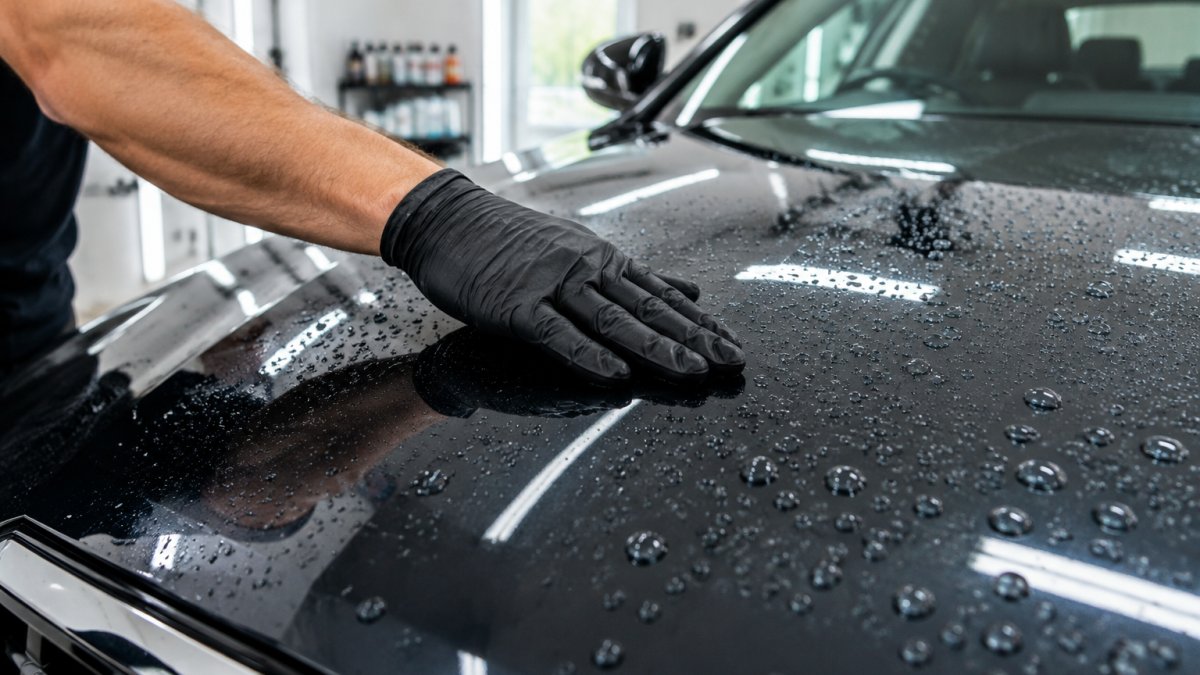
The clearest signal is lost beading and sheeting: water starts pooling flat instead of rolling off. Other signs include dulled gloss, rough texture under your hand, and dirt sticking after a wash. Bird droppings and tree sap etching more easily than before also point to coating failure. Catch these early and a maintenance service can often extend the coating’s life.
Environmental Impact on Coating Durability
Where you park and drive shapes how long a coating survives, and the mechanism matters more than the general warning. Environmental stresses affect coatings differently depending on the chemistry involved, which determines how they can be managed.
UV Exposure
Ultraviolet light attacks the organic resin matrix that holds the silica particles together. Over time, sustained UV breaks polymer chains at the surface, which shows up first as lost gloss and then as reduced beading. A car parked outdoors in a high-sun region accumulates this dose far faster than a garaged car. The practical countermeasure is shade or a cover when parked for long periods, and keeping a topper on the coating so the sacrificial layer absorbs the UV dose instead of the base coating.
Road Salt and Winter Chemistry
Road salt is a two-part problem. The chloride chemistry is aggressive toward the coating’s surface, and the grit and brine that come with it are abrasive when they sit on the paint. In snow-belt markets, the bigger issue is dwell time: salt brine left on panels for weeks at a time gives the chemistry a long window to work. Frequent winter rinses, especially of the lower panels, wheel arches, and rocker panels, matter more than the wash itself. A touchless rinse every week or two during salt season is a reasonable pattern.
Humidity and Mineral Deposits
High humidity slows the initial cure and, more importantly, keeps the surface wet longer, which extends the contact time for anything dissolved in that water. In areas with hard water, sprinkler overspray and rain leave mineral deposits that etch into the coating if allowed to dry and sit. These deposits look like dull spots and are often mistaken for coating failure when they are actually contamination that a decontamination wash will remove.
Industrial Fallout and Tree Sap
Rail dust, brake dust, and industrial fallout are iron-rich particles that bond to the surface and, if left, oxidize into the coating. Tree sap and bird droppings are acidic and can etch a coating in a matter of days in warm weather. Cars parked near rail lines, industrial areas, or under trees can age faster than the general climate would suggest.
What This Means in Practice
A garaged car and a car living outside under the same product can differ by a year or more of protection. The useful takeaway is not “move to a mild climate”, it is to match your maintenance cadence to your exposure. High-UV, high-salt, or high-humidity environments justify shorter wash intervals, more frequent decontamination, and a consistent topper routine. If you know your parking and driving pattern, you can estimate which stress is dominant and spend your maintenance effort there.
Spray Coatings vs. Ceramic Glass Coatings
Spray coatings are quick sealants: easy to apply, cheap, and short-lived, often measured in weeks to a few months. Ceramic glass coatings form a sacrificial layer intended for longer-term protection. Browse our full range of detailing services to compare options.
| Feature | Spray Coating | Ceramic Glass Coating |
|---|---|---|
| Durability | Weeks to months | Two to five years |
| Application | Quick DIY spray | Trained professional install |
| Chemical resistance | Low | High |
| Gloss retention | Short-lived | Long-lasting |
| Best for | Quick touch-ups | Long-term protection |
Book a Ceramic Coating Consultation
Getting a coating that actually lasts starts with an honest assessment of your paint and a professional install. We are certified ShowCar Ceramic Coating installers, and our work carries a 5 to 10-year guarantee of protection. Review our customizable detailing packages to find the right fit, or get in touch with our team to schedule your consultation. We handle classic cars and modern daily drivers, and our valeting service includes vehicle pickup.
Frequently Asked Questions
What is the downside of ceramic coating?
A ceramic coating is not a force field. It will not stop rock chips, deep scratches, or dents, and it does not replace the need for careful washing. It also requires proper prep, meaning paint correction before application, which adds cost. If you skip maintenance washes or run it through abrasive brush car washes, the coating degrades early. The upside is real, but it only holds up when the surface preparation and aftercare are done correctly.
Can I go through a car wash with a ceramic coating?
Touchless car washes are generally safe, but brush-style washes are not. Spinning brushes and dirty cloths grind grit into the coating and clear coat, causing swirl marks that dull the gloss and wear down the sacrificial layer. Hand washing with a pH-neutral shampoo and clean microfiber mitts is the safer routine. If you must use a tunnel wash, choose touchless and skip any wash that advertises wax or hot wax cycles.
How can you tell when a ceramic coating is wearing off?
Watch how water behaves. A healthy coating beads and sheets water quickly; when water starts to cling in flat patches, the hydrophobic properties are fading. You may also notice reduced gloss, more bonded contaminants after washing, and bird droppings or tree sap leaving marks more easily. If a decontamination wash and clay bar treatment restore the beading, the coating is still there. If not, it is time to plan re-application.
How do you make a ceramic coating last longer?
Start with proper surface preparation, including a decontamination wash and paint correction, so the coating bonds to clean, defect-free paint. Then keep up a maintenance wash every two to four weeks with pH-neutral shampoo, avoid brush car washes, and remove bird droppings and tree sap promptly. Park in a garage when possible. A professional-grade coating applied by an experienced detailer will always outlast a DIY kit applied over unprepared paint.
What factors affect how long a ceramic coating lasts?
The biggest factors are the quality of the coating itself, how well the paint was prepared, and how the car is maintained afterward. Environmental exposure matters too: road salt, industrial fallout, UV intensity, and frequent brush car washes all shorten life. Application skill is critical. A coating applied over swirl marks or contamination fails early, no matter how good the product is. Curing time and storage in the first 24 to 48 hours also affect the final bond.
Your paint deserves protection that outlasts the marketing hype. Get started with In-&-Out Auto Detailing and give your vehicle a coating built to last, backed by certified installers, expert-only staff, and a guarantee you can trust.

